Ensuring high-quality silage is a cornerstone of effective livestock management, and one of the most critical factors in achieving this is the choice of silage covers. In Australia, where extreme weather conditions can challenge the integrity of stored feed, selecting the right long-lasting silage covers is essential for maintaining feed quality and minimising losses. This article examines the key factors to consider when selecting the most suitable silage covers, with a focus on durability, protection, and cost-effectiveness.
Understanding the Importance of Silage Covers
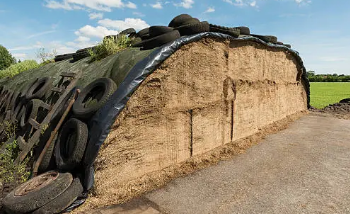
Silage covers serve as the first line of defence against environmental factors that can compromise feed quality. Properly selected covers prevent air, moisture, and pests from penetrating the silage stack, reducing spoilage and preserving nutritional content. In Australia’s diverse climate—from humid coastal regions to arid inland farms—durable silage covers are indispensable. Long-lasting silage covers not only protect your investment in feed but also reduce the need for frequent replacements, saving both time and money.
Material Composition and Durability
The longevity of silage covers largely depends on the material used. Modern silage covers are typically made from polyethylene or reinforced laminated plastics, designed to withstand UV exposure, punctures, and tearing. When choosing long-lasting silage covers, consider the thickness and tensile strength of the material. Thicker films generally provide better puncture resistance, while reinforced layers offer extra durability against wind and handling damage.
UV resistance is another crucial factor. Australian sunlight can be intense, and prolonged exposure can cause traditional plastic sheets to degrade. High-quality silage covers incorporate UV stabilisers to extend lifespan, ensuring that your silage remains protected throughout the storage period. Investing in UV-resistant, reinforced silage covers can significantly reduce spoilage and maintain consistent feed quality.
Fit and Coverage
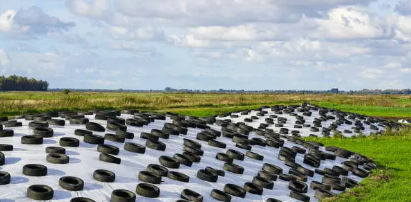
Its material does not solely determine a silage cover’s effectiveness; proper sizing and fit are equally important. Covers must extend well beyond the edges of the silage pile to prevent wind lift and water ingress. Overlapping sheets or using additional weighted edging ensures a tight seal, minimising air pockets that accelerate spoilage.
For Australian farms with variable pile sizes, it is essential to select covers that can be customised or easily trimmed to fit irregular shapes. Long-lasting silage covers with flexible sizing options help maintain a secure seal while reducing material waste.
Enhancing Feed Quality Through Protection
Silage spoilage can lead to reduced feed intake, lower livestock productivity, and higher operational costs. By investing in high-quality, long-lasting silage covers, farmers can safeguard the nutritional integrity of their feed. Covers that maintain a stable microenvironment prevent excessive fermentation or mould growth, which can otherwise compromise palatability and digestibility.
Additionally, long-lasting silage covers help maintain consistent moisture levels within the silage stack. Proper moisture control prevents aerobic spoilage, ensuring that silage remains fresh and retains its high energy content. Farmers who prioritise feed quality through robust coverage can expect improved livestock performance and reduced supplementation costs.
Weather Resistance and Regional Considerations
Australia’s climate varies widely, and understanding regional weather challenges is vital when selecting silage covers. In coastal areas, high humidity and heavy rainfall demand require superior waterproofing capabilities. Inland farms, exposed to high winds and temperature fluctuations, require covers with exceptional tensile strength and UV protection.
Long-lasting silage covers, designed for Australian conditions, are engineered to withstand these extremes. They resist cracking in cold temperatures, maintain flexibility in heat, and are less prone to damage from debris or farm machinery. Choosing covers tailored to local weather conditions maximises durability and ensures consistent feed protection throughout the year.
Conclusion:
Selecting the right long-lasting silage covers in Australia is a critical investment for maximising feed quality, durability, and operational efficiency. Factors such as material composition, UV resistance, weather adaptability, proper fit, and maintenance practices all contribute to the effectiveness of silage protection. By prioritising high-quality, durable covers tailored to regional conditions, farmers can minimise spoilage, maintain nutritional integrity, and achieve better livestock productivity.
In an industry where feed quality directly impacts profitability, investing in the best long-lasting silage covers is not merely a matter of convenience—it is a strategic decision that safeguards both resources and livestock health. With the right approach, Australian farmers can confidently protect their silage, reduce losses, and enjoy consistent, high-quality feed throughout the year.