A home’s electrical system is one of its most important foundations, and at the center of it lies the consumer mains switchboard. This essential component acts as the hub that distributes power throughout your home safely and efficiently. Over time, however, older switchboards can become outdated, unsafe, or unable to meet the demands of modern living. For this reason, many homeowners in Adelaide eventually face the decision of replacing their consumer mains.
If you are considering this important upgrade, it is vital to understand what a consumer mains switchboard is, why it matters, and what you should know before replacement.
Understanding the Role of Consumer Mains
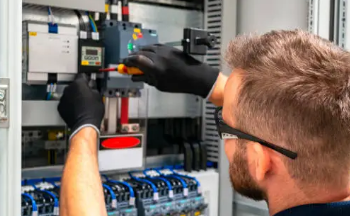
Consumer mains connect the incoming power supply to the switchboard, which then distributes electricity to different circuits in your home. The switchboard also houses safety mechanisms like circuit breakers, fuses, and residual current devices (RCDs) designed to prevent overloads, short circuits, and electrical hazards.
Modern lifestyles demand more power than ever. With appliances, entertainment systems, heating and cooling units, and even electric vehicle chargers, the need for reliable and safe consumer mains has grown dramatically. Older switchboards may not be able to keep up, which can increase risks like electrical fires, tripping circuits, or complete system failures.
Signs It’s Time to Replace Your Consumer Mains
Before replacing your switchboard, it helps to know the warning signs that your current system is outdated:
- Frequent Power Trips – If your circuits trip regularly, it may mean the switchboard can’t handle your home’s load.
- Old Fuses Instead of Circuit Breakers – Traditional ceramic fuses are no longer considered safe or efficient.
- Lack of Safety Switches (RCDs) – Modern switchboards are required to have RCDs that cut power instantly when a fault is detected.
- Burn Marks or Overheating – Any visible damage, buzzing sounds, or overheating is a clear sign of risk.
- Limited Capacity – If you are adding new appliances or planning renovations, your current system may not support the added demand.
If you notice these issues, it’s a strong indication that a consumer mains switchboard upgrade is necessary.
Key Factors to Consider Before Replacing Your Switchboard
When planning a replacement, homeowners should keep the following considerations in mind:
1. Compliance with Modern Standards
Electrical regulations require that consumer mains meet current safety standards. A licensed electrician will ensure that your new switchboard complies with local electrical codes, protecting both your home and your family.
2. Capacity for Future Needs
Think long-term. If you plan to add solar panels, air-conditioning units, or electric vehicles, ensure your consumer mains switchboard has enough capacity to support future upgrades.
3. Inclusion of Safety Switches
RCDs are non-negotiable in modern systems. They offer life-saving protection by shutting off electricity the moment a fault is detected. Make sure your upgraded switchboard includes these critical devices.
4. Professional Installation
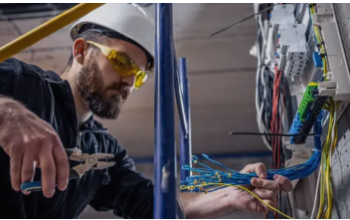
DIY electrical work is both dangerous and illegal in most places. Always hire a licensed and experienced electrician to replace your consumer mains switchboard. They will assess your system, recommend the best setup, and ensure safe installation.
Benefits of Upgrading Consumer Mains
Replacing your switchboard is not just about safety—it’s also a smart investment for your home. Some of the top benefits include:
- Improved Safety – Reduces the risk of shocks, fires, and electrical failures.
- Reliability – A modern system ensures uninterrupted power to support your household’s needs.
- Energy Efficiency – Newer switchboards distribute power more effectively, minimizing waste.
- Increased Property Value – Buyers are more confident in homes with updated electrical systems.
- Peace of Mind – Knowing your consumer mains are up to standard provides reassurance for your family’s safety.
Steps in Replacing a Consumer Main Switchboard
- Electrical Assessment – A licensed electrician will inspect your current system.
- Planning for Capacity – Future-proofing ensures your switchboard can handle modern and future demands.
- Switchboard Installation – Old components are removed, and the new system is installed with all necessary safety devices.
- Testing and Certification – The system is tested to ensure it meets safety and compliance standards.
- Ongoing Maintenance – Regular inspections help extend the lifespan of your consumer mains.
Final Thoughts
Your consumer mains switchboard is the heart of your home’s electrical system. Replacing an outdated or faulty one is not just about keeping up with modern living—it’s about ensuring the safety, efficiency, and reliability of your entire household.
Before replacing, make sure you understand the signs of an outdated system, the key factors to consider, and the importance of professional installation. By upgrading your consumer mains, you are investing in long-term safety, compliance, and peace of mind for your family.