Australia’s livestock and dairy industries rely heavily on high-quality forage preservation, and one of the most effective methods is pit silage. However, feed quality depends not only on the crop but also on how well it is protected from oxygen, moisture, and UV exposure. It is where silage plastic for pit cover becomes critical. When properly selected and applied, it helps farmers reduce spoilage, preserve nutrients, and improve overall feed efficiency throughout the storage period.
In Australian farming conditions—where high UV exposure, temperature extremes, and seasonal rainfall variations are common—the choice of silage covering materials can significantly impact outcomes. Understanding how to select and use silage plastic effectively as a pit cover is essential for farmers aiming to improve silage performance and reduce costly dry matter losses.
Understanding the Role of Silage Plastic in Australia
Silage preservation depends on creating an anaerobic environment that prevents fermentation losses and the development of spoilage organisms such as mould and yeast. In Australia, this challenge is compounded by harsh sunlight, strong winds, and fluctuating humidity. As a result, silage plastic for pit cover is not just a protective layer—it is a performance tool that directly influences feed quality.
High-quality silage films are designed with multi-layer co-extrusion technology, improving oxygen barrier properties while maintaining flexibility for easier application over large bunker or pit surfaces. Australian farmers often prefer thicker-gauge films, combined with underlay films, to improve sealing effectiveness and reduce the risk of punctures from uneven silage surfaces or bird damage.
Another key consideration is UV stability. In Australia, with its intense sunlight, low-quality plastic can degrade quickly, leading to air leaks and spoilage. Selecting UV-stabilised silage films ensures longer durability throughout the storage period.
Key Factors When Selecting Silage Plastic for Pit Cover
Choosing the right silage plastic for a pit cover requires evaluating several technical and environmental factors. One of the most important is oxygen permeability. Even small amounts of oxygen ingress can lead to aerobic spoilage, reducing feed digestibility and increasing waste.
Thickness also plays a crucial role. Thicker films generally offer better protection against tears and environmental stress. However, they must also remain flexible enough to conform tightly to the silage surface to avoid air pockets.
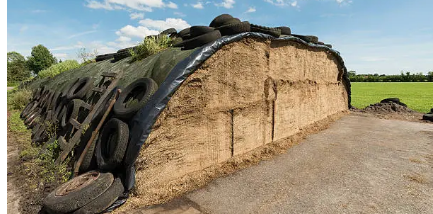
In Australia, wind resistance is another major concern. Improperly weighted or poorly sealed plastic can lift, allowing oxygen to enter and pests to contaminate. Many farmers use gravel bags or recycled tyres along the edges and seams to secure the cover effectively.
Temperature fluctuations between day and night can also cause condensation issues. High-quality silage films help regulate internal moisture by limiting external air exchange, ensuring more stable fermentation conditions.
Application Techniques for Maximum Efficiency
Even the best silage plastic for a pit cover will underperform if not applied correctly. Proper installation begins with ensuring the silage surface is well-compacted and smooth. Sharp protrusions such as stalks or debris should be removed to prevent puncturing the film.
Once the base is prepared, a secondary oxygen barrier film or underlay can be used to further enhance protection. This layer helps seal small gaps and improves overall fermentation quality.
The top cover should then be laid immediately after the pit is filled to reduce initial oxygen exposure. Overlapping seams should be minimised, and when overlaps are necessary, they must be securely weighted.
In Australian conditions, it is also common practice to regularly inspect covers, especially after storms or high-wind events. Early detection of damage allows for quick repairs and prevents widespread spoilage.
Common Mistakes Farmers Should Avoid
One of the most frequent mistakes is underestimating the importance of plastic quality. Low-cost films may seem attractive initially, but often result in higher long-term losses due to reduced durability and oxygen barrier performance.
Another issue is improper weighting. Inadequate sealing along edges allows air ingress, which can rapidly deteriorate silage quality. Farmers sometimes also delay covering after filling, thereby increasing exposure time and reducing fermentation efficiency.
Using incompatible materials, such as rough or sharp weights, directly on the plastic without protection, can also lead to punctures. It is especially problematic in windy regions of Australia.
Avoiding these mistakes ensures that silage plastic for pit cover performs as intended and delivers maximum return on investment.
Long-Term Benefits of Using High-Quality Silage Plastic
Investing in high-performance silage covering systems provides multiple long-term advantages. Improved feed quality leads to better livestock performance, including higher milk yields and improved weight gain in beef cattle.
Reduced spoilage also means lower feed replacement costs and better resource efficiency. In addition, better preservation reduces environmental waste, aligning with the increasingly valued sustainable farming practices across Australian agriculture.
By consistently using reliable silage plastic for pit cover, farmers can achieve more predictable outcomes and reduce the variability often associated with forage storage.
Conclusion
In Australia’s demanding agricultural environment, effective silage management is essential for maintaining livestock productivity. The selection and proper use of silage plastic for pit cover play a central role in preserving feed quality, minimising losses, and ensuring long-term storage stability.
From material selection to installation techniques and maintenance practices, every step contributes to the outcome. Farmers who prioritise high-quality silage films and correct application methods are more likely to achieve consistent, high-value feed throughout the season.
Ultimately, investing in the right silage covering strategy is not just a cost decision—it is a productivity decision that directly impacts farm performance year after year.