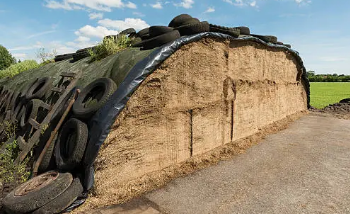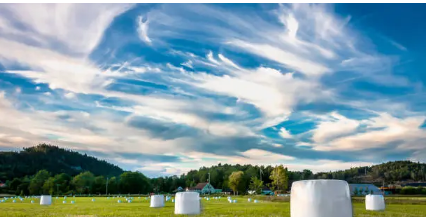
For Australian farmers, preserving the quality of silage and hay is crucial for livestock productivity and farm profitability. One of the most effective solutions is using heavy-duty bale wrap, a reliable product designed to withstand the challenges of Australian weather. From the intense sun in Queensland to the unpredictable rainfall in Victoria and New South Wales, choosing the right bale wrap can significantly reduce spoilage and maintain feed quality year-round.
Why Heavy-Duty Bale Wrap Matters in Australia
Australian farmers face unique agricultural challenges. Strong UV exposure, high temperatures, and seasonal storms can compromise silage and hay if stored improperly. Standard wraps often tear or degrade under these conditions, leading to feed waste and additional costs. Investing in heavy-duty bale wrap ensures that your bales remain tightly sealed, maintaining the nutritional integrity of your feed while protecting it from moisture, pests, and mould.
In regions such as southern New South Wales, where wet winters can cause silage spoilage, heavy-duty bale wrap provides a reliable barrier against water ingress. Similarly, in northern Queensland, its UV-resistant properties prevent breakdown from prolonged exposure to the sun. This durability extends the lifespan of bales, reducing the need for frequent replacements and ultimately saving farmers across Australia time and money.
Key Features of Quality Heavy-Duty Bale Wrap
When selecting bale wrap for Australian conditions, several features are critical:
1. Thickness and Strength: Heavy-duty bale wrap typically ranges from 25 to 35 microns in thickness. This extra thickness provides enhanced puncture resistance, ensuring bales stay intact even when handled with machinery or exposed to rough terrain.
2. UV Resistance: The Australian sun can quickly degrade low-quality wraps. Heavy-duty options are treated to resist UV rays, preventing cracks and tears that compromise silage preservation.
3. Stretchability: The wrap’s ability to stretch without breaking is essential for creating a tight seal around bales. Properly stretched heavy-duty bale wrap prevents air from entering, which is crucial for anaerobic fermentation and long-term silage quality.
4. Cling and Adhesion: High-quality wraps maintain excellent cling to the bale surface, even under windy or wet conditions. This ensures the bale remains tightly wrapped, reducing spoilage risks.
Benefits for Australian Farmers
Using heavy-duty bale wrap delivers tangible benefits tailored to the needs of Australian agriculture:
● Reduced Feed Waste: By maintaining airtight seals, heavy-duty wrap prevents mould growth and spoilage, ensuring livestock receive nutritious feed.
● Extended Bale Life: Farmers in both tropical and temperate regions can store silage for longer periods without deterioration.
● Weather Resilience: Whether it’s the wet southern winters or the dry northern summers, the durability of heavy-duty bale wrap protects bales from harsh environmental factors.
● Cost Efficiency: While slightly more expensive upfront, heavy-duty bale wrap reduces replacement frequency and feed loss, making it a cost-effective investment.
Selecting the Right Bale Wrap Supplier in Australia
Choosing a reliable supplier is just as important as selecting the wrap itself. Look for local distributors who understand Australian farming conditions and can offer products specifically tested for UV resistance, puncture strength, and weather resilience. Many suppliers in Victoria, New South Wales, and Queensland provide support for bulk purchases and delivery logistics, ensuring farmers get the right product when they need it.
Farmers should also consider consulting with local agricultural cooperatives or machinery providers. These organisations often have insights into which heavy-duty bale wrap performs best under regional conditions and can offer practical guidance on application techniques.
Practical Tips for Using Heavy-Duty Bale Wrap
To maximise the benefits of your heavy-duty bale wrap, consider these practical tips:
● Wrap Immediately After Harvest: Fresh bales sealed quickly retain more nutrients and reduce the risk of spoilage.
● Ensure Proper Overlap: Overlapping each layer of wrap ensures airtight seals. Most wraps require at least 50% overlap.
● Regularly Inspect Bales: Even with high-quality wrap, check bales periodically for any punctures or damage, especially after storms or handling.
● Store Wrapped Bales Strategically: Place bales on slightly elevated ground, away from sharp objects, to minimise potential damage.
Conclusion
Investing in heavy-duty bale wrap is a smart choice for Australian farmers looking to protect their feed, reduce waste, and improve farm efficiency. Its durability, UV resistance, and strong sealing properties make it ideal for handling the diverse climates found across Australia. By selecting high-quality products and following best-practice application methods, farmers in Queensland, Victoria, New South Wales, and beyond can ensure that their silage and hay remain safe, nutritious, and ready for livestock whenever needed.
For any farm operation, the right bale wrap is more than just packaging—it’s a critical tool for maintaining the health of your herd and the profitability of your business. Choosing heavy-duty options tailored for Australian conditions guarantees peace of mind and long-term savings.