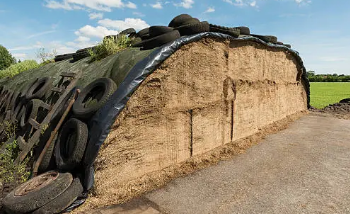
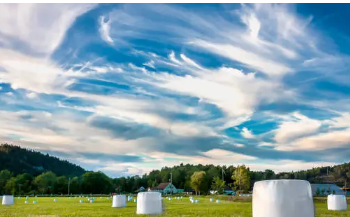
Silage wrap is a crucial component in the agricultural sector, particularly for livestock farmers and forage producers in Australia. As the demand for high-quality feed increases, understanding the benefits and applications of silage wrap can significantly enhance forage management and overall farm productivity. For small bales silage wrap, click here.
What is Silage Wrap?
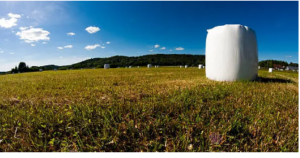 Silage wrap is a specialised plastic film used to cover and preserve silage, fermented green fodder stored to feed livestock during the dry season. This wrapping process is essential for protecting the silage from the elements, pests, and contamination and ensuring that the nutrients are retained for optimum feed quality.
Importance of Silage Wrap in Australia
Australia’s diverse climatic conditions present unique challenges for farmers. Extreme weather patterns, including heavy rainfall and prolonged drought, can affect forage quality and availability. Silage wrap plays a pivotal role in:
- Enhancing Nutritional Value: Properly wrapped silage maintains its nutritional content, providing livestock with essential energy, protein, and vitamins. It is particularly important during dry spells when pasture growth is limited.
- Reducing Feed Waste: By effectively sealing silage from the air, silage wrap minimises spoilage and waste. Farmers can store larger quantities of forage, ensuring a consistent supply throughout the year.
- Improving Fermentation Process: Silage wrap promotes anaerobic fermentation, a process that is crucial for developing high-quality silage. This fermentation helps preserve the silage, enhancing its digestibility for livestock.
Types of Silage Wrap
There are several types of silage wrap available in Australia, each designed to cater to different agricultural needs. The most common types include:
- Standard Black Silage Wrap: This is the traditional choice, providing adequate UV protection and ensuring anaerobic conditions. It is ideal for general use and is widely available.
- White Silage Wrap: Increasingly popular due to its reflective properties, white wrap helps keep the silage cooler in hot climates, reducing the risk of spoilage.
- Biodegradable Silage Wrap: With growing environmental concerns, biodegradable options are emerging in the market. These wraps decompose naturally, offering a sustainable alternative without compromising on quality.
Choosing the Right Silage Wrap
When selecting silage wrap, farmers should consider factors such as:
- Thickness and Strength: A thicker, more substantial wrap can withstand harsh conditions and reduce the risk of tears during application and storage.
- UV Resistance: In Australia, UV protection is vital due to the intense sun exposure. Look for wraps that offer high UV resistance to prolong their effectiveness.
- Cost-Effectiveness: While it may be tempting to opt for cheaper options, investing in high-quality silage wrap can lead to better preservation and reduced waste, ultimately saving money in the long run.
Application Techniques
The application of silage wrap is a critical step in the preservation process. Here are some best practices:
- Prepare the Silage: Ensure that the forage is chopped to the appropriate length and compacted adequately in the silo or bunker to remove excess air.
- Wrap Quickly and Efficiently: Apply the silage wrap promptly after filling the silo. The quicker the wrap is applied, the better the anaerobic conditions will be preserved.
- Seal Properly: Make sure the edges of the wrap are well-sealed to prevent air infiltration. It can be achieved using additional weights or sealing methods.
Storage and Management
Proper storage is essential after applying the silage wrap. Store the wrapped silage in a cool, dry place away from direct sunlight whenever possible. Regularly check for any signs of damage or deterioration in the wrap to ensure that the silage remains protected.
Environmental Considerations
As the agricultural sector moves towards sustainable practices, the impact of silage wrap on the environment is an important consideration. While traditional plastic wraps pose disposal challenges, the introduction of biodegradable options offers a more sustainable solution. Farmers are encouraged to explore these alternatives to minimise their ecological footprint while ensuring practical forage preservation.
Conclusion:
Silage wrap is an indispensable tool for Australian farmers seeking to optimise their forage management. By investing in high-quality silage wraps, farmers can enhance the nutritional value of their feed, reduce waste, and ensure a reliable supply for their livestock. As the industry evolves, embracing sustainable practices and innovations will be vital to meeting the growing demands of livestock production in Australia.