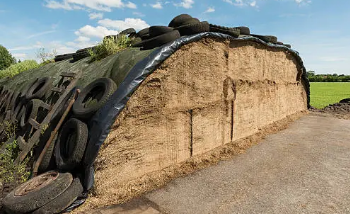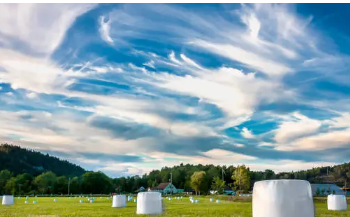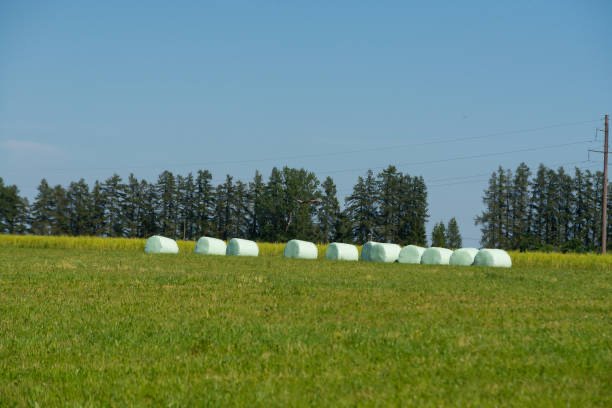
In Australia’s dynamic agricultural landscape, silage film plays a crucial role in preserving forage quality and ensuring feed availability throughout the year. However, despite its benefits, many Australian farmers encounter challenges when using silage film that can impact both the efficiency of silage production and the bottom line. This article explores the most common issues farmers face with silage film and provides practical strategies to overcome them, helping to maximise the value of their investment.
1. Weather-Related Damage and Environmental Factors
Australia’s diverse climate presents a significant challenge for farmers relying on silage film. In regions prone to strong winds, hail, or intense UV radiation—such as parts of Queensland, New South Wales, and South Australia—silage film can suffer physical damage or premature degradation.
How to Overcome:
- Use UV-resistant silage film: Selecting films specifically designed with enhanced UV stabilisers can dramatically extend the film’s lifespan, especially in sunny regions like northern Australia.
- Secure wrapping techniques: Applying multiple layers and ensuring tight, wrinkle-free wrapping can minimise wind damage.
- Timely application: Harvesting and wrapping during calmer weather windows reduces the risk of environmental harm during the critical sealing phase.
2. Punctures and Tears During Handling
One of the most frequent problems with silage film is accidental punctures or tears caused by rough handling, machinery, or sharp objects in the field. These breaches compromise the airtight seal, allowing oxygen ingress, which can lead to spoilage and nutrient loss.
How to Overcome:
- Training and awareness: Educating farm workers about careful handling and the importance of maintaining film integrity reduces accidents.
- Use protective equipment: Installing guards on machinery or clearing debris from the wrapping area helps avoid sharp punctures.
- Regular inspection: Conduct frequent checks during and after wrapping to detect and repair any damage using patch kits designed for silage film.
3. Film Waste and Environmental Concerns
Australian farmers are becoming increasingly aware of the importance of sustainability and the environmental impact of agricultural plastics, including silage film. Disposal and recycling remain significant concerns due to the volume of film waste generated annually.
How to Overcome:
- Choose biodegradable or recyclable silage film: Innovations in silage film technology offer options that break down more easily or can be recycled, reducing landfill pressure.
- Participate in recycling programs: Many Australian regions now support agricultural plastic collection initiatives. Engaging with these programs ensures responsible disposal.
- Optimise usage: Proper measurement and minimal overlap reduce film waste during application.
4. Cost Management and Economic Viability
Silage film represents a substantial input cost for Australian farmers, particularly in large-scale operations or during seasons requiring high volumes of silage production. Rising raw material prices can strain budgets.
How to Overcome:
- Bulk purchasing and supplier negotiations: Buying silage film in bulk or partnering with trusted suppliers can secure better pricing and consistent quality.
- Evaluate film thickness vs. cost: Thicker films may have a higher upfront cost but provide better durability and longer protection, potentially saving money over time.
- Maximise silage quality: Proper wrapping and storage prevent spoilage, improving feed conversion efficiency and reducing the need for costly supplements.
5. Storage Space and Film Degradation During Storage
In many Australian farms, limited storage space for wrapped silage bales can lead to stacking practices that damage the silage film. Additionally, exposure to weather conditions while in storage can accelerate film degradation.
How to Overcome:
- Proper stacking protocols: Avoid overstacking and use pallets or tarps to minimise direct ground contact and mechanical damage.
- Use storage covers: Protective covers or dedicated silage storage sheds shield bales from rain, hail, and sunlight.
- Monitor bale condition: Regularly inspect stored bales and address any signs of film deterioration or spoilage early.
6. Adapting to Regional Differences in Silage Production
Australia’s vast agricultural zones—from temperate Tasmania to tropical northern Queensland—require tailored approaches to silage production and silage film usage. What works well in one region may not be suitable in another.
How to Overcome:
- Consult local agronomists and extension services: They provide region-specific recommendations on silage film types and wrapping techniques.
- Trial and adapt: Small-scale trials of different films or application methods allow farmers to identify best practices suited to their environment.
- Leverage technology: New innovations, including multilayer films and oxygen barrier materials, can be tailored for specific climatic challenges.
Conclusion
Silage film is an indispensable tool for Australian farmers seeking to optimise forage preservation and livestock nutrition. Yet, the challenges posed by weather, handling, environmental impact, costs, and regional variability require informed strategies to overcome. By selecting the right materials, adopting best practices in application and storage, and engaging with local knowledge, farmers can ensure silage film delivers maximum value while mitigating risks.
As Australian agriculture continues to evolve, ongoing innovation and sustainable approaches to silage film use will be key to meeting the demands of a competitive and environmentally conscious industry. With professional confidence and strategic planning, farmers can turn these common challenges into opportunities for greater productivity and resilience.