In the evolving landscape of Australian farming, silage plastic Australia plays a crucial role in optimising forage preservation and livestock nutrition. However, the future of sustainable and efficient agriculture lies not only in using silage plastic but also in integrating it seamlessly with other advanced agricultural technologies. This integration promises to revolutionise silage management, enhance productivity, and support Australia’s goal toward sustainable farming practices.
The Role of Silage Plastic in Australian Agriculture
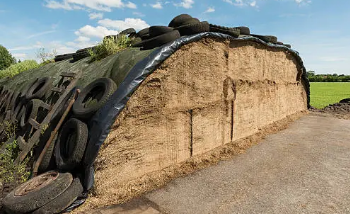
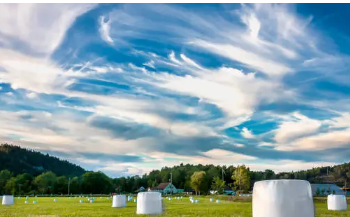
Silage plastic is a vital component in preserving high-quality forage by creating an anaerobic environment that inhibits spoilage and nutrient loss. Australian farmers rely heavily on silage plastic to store feed for cattle, sheep, and other livestock during dry or off-seasons. The right use of silage plastic ensures better feed conversion, healthier animals, and improved farm profitability. Yet, silage plastic alone is not a silver bullet—combining it with complementary technologies can unlock even greater benefits.
Precision Agriculture Meets Silage Plastic
One of the most promising advancements in Australian agriculture is precision farming, which leverages GPS, drones, sensors, and data analytics to optimise every stage of crop and livestock production. Integrating silage plastic with precision agriculture technologies enhances silage quality and farm efficiency.
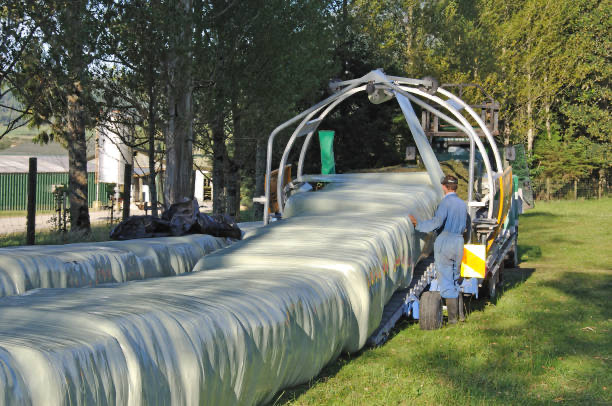
For example, drone and satellite imaging can assess the moisture content and growth stages of forage crops before harvest, helping farmers decide the optimal cutting time for ensiling. This minimises wastage and maximises nutrient retention. GPS-guided machinery can then harvest and wrap silage accurately, ensuring uniform packing density and airtight sealing with silage plastic—key factors in successful fermentation.
Smart Monitoring Systems for Silage Management
Australian farmers are increasingly adopting smart sensor technology to monitor silage conditions post-harvest. Sensors embedded in silage pits or bales can measure temperature, pH, and gas composition, providing real-time data to farmers via mobile apps. When combined with silage plastic, these monitoring systems alert farmers to any breaches or spoilage early, allowing prompt action to prevent feed loss.
The integration of silage plastic Australia with IoT (Internet of Things) technology empowers farmers to track silage quality remotely, reducing labour costs and improving decision-making based on accurate, timely information.
Renewable Energy and Silage Plastic Use
Australia’s push toward renewable energy is also influencing agricultural practices. Solar-powered silage wrap machines and electric tractors help reduce the carbon footprint of silage production. Some innovative farms incorporate solar panels to power refrigeration units for silage samples used in quality testing or to charge sensor networks that monitor silage conditions.
This blend of renewable energy and silage plastic technology highlights the commitment of Australian farmers to sustainable farming methods that balance productivity with environmental responsibility.
Automated Silage Handling and Robotics
Automation is reshaping many facets of agriculture, and silage management is no exception. Robotic systems capable of wrapping silage bales with plastic not only improve efficiency but also reduce human exposure to repetitive strain and hazardous chemicals sometimes involved in silage handling.
In Australia’s expansive farms, automated silage wrapping machines equipped with advanced sensors and AI algorithms adjust wrapping tension and the thickness of silage plastic according to weather conditions and forage type. This precision wrapping extends the durability and airtight qualities of the silage covering, which is crucial in Australia’s diverse climate zones.
Enhancing Sustainability through Biodegradable Silage Plastic
Another exciting frontier in silage plastic Australia is the adoption of biodegradable or compostable silage wraps. These innovative materials reduce the environmental impact associated with traditional plastic waste. Integrating biodegradable silage plastic with other green technologies, such as composting systems and waste-to-energy solutions, helps Australian farms move toward a circular economy.
Farmers using these biodegradable wraps can combine them with soil health monitoring technologies to better manage nutrient cycling once the plastic breaks down, thus promoting sustainable land use.
Training and Digital Platforms for Farmers
The successful integration of silage plastic with other technologies depends on farmers knowledge and accessibility to digital tools. Australian agricultural extension services and private enterprises have developed online platforms and mobile apps that provide training modules, best practice guidelines, and real-time support on silage plastic application and complementary technologies.
These platforms often include weather forecasts, supply chain management, and market data, enabling farmers to make informed decisions that improve silage quality and overall farm productivity.
Looking Ahead: A Synergistic Future for Australian Farming
The synergy between silage plastic and other emerging agricultural technologies promises a transformative impact on Australian farming. By embracing precision agriculture, smart monitoring, renewable energy, automation, and sustainable materials, Australian farmers are equipped to improve silage preservation, reduce costs, and promote environmental stewardship.
As silage plastic Australia continues to evolve within this integrated framework, the sector is poised not only to meet the demands of modern livestock production but also to contribute to a resilient, innovative, and sustainable agricultural future.