In Australia’s agricultural and industrial sectors, net replacement film has become an essential tool for maintaining efficiency and protecting valuable resources. Whether you are in the business of farming, horticulture, or logistics, understanding the cost of net replacement film can help you make informed purchasing decisions and ensure the best return on investment. In this guide, we’ll cover everything you need to know—from the factors that affect pricing to selecting the right film for your specific needs. For more information about net replacement film cost, click here.
What is Net Replacement Film?
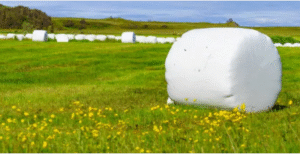 Net replacement film is a type of stretch film or wrapping material specifically designed to replace traditional netting in various applications. Most commonly used in baling and securing hay, straw, silage, or industrial goods, this innovative film provides superior coverage, moisture protection, and strength compared to conventional net wrap.
Net replacement film offers benefits such as:
- Better oxygen barrier for improved silage preservation.
- Tighter, more uniform wrapping reduces spoilage.
- Time-saving during application thanks to fewer revolutions needed.
- Greater weather resistance protects materials from the elements.
As demand grows across Australia’s agricultural heartlands, understanding net replacement film cost is critical for businesses aiming to maintain operational excellence.
Factors That Influence Net Replacement Film Cost
The price of net replacement film in Australia can vary significantly based on several key factors:
Film Thickness and Quality
Higher-quality films, often made with advanced polymers, offer greater tear resistance, UV stability, and cling properties. Naturally, thicker and more robust films come at a higher price point but tend to deliver better long-term value through reduced wastage and stronger protection.
Roll Length and Width
Net replacement films are available in various lengths and widths to accommodate different balers and machinery. Longer rolls may appear more expensive initially, but typically offer better value per metre and reduce machine downtime from roll changes.
Brand and Manufacturer
Leading brands that invest heavily in research, innovation, and rigorous testing often command a premium price. However, these films usually perform better under harsh Australian conditions, providing peace of mind to farmers and logistics operators.
UV Protection
Australia’s harsh sun demands materials with excellent UV resistance. Films designed with extra UV inhibitors tend to cost more but provide essential protection for stored crops and materials.
Order Volume
Bulk purchasing often results in lower per-roll costs. Many Australian suppliers offer discounts for larger orders, making it economical for large-scale operations to stock up during off-peak seasons.
Shipping and Distribution
Given Australia’s vast geography, transport costs can impact the final price. When freight charges are factored in, locally sourced films might offer a cost advantage over imported products.
Average Net Replacement Film Cost in Australia
On average, the net replacement film cost in Australia ranges between $250 and $450 per roll, depending on the factors mentioned above. Specialty films with additional features, such as higher UV resistance or biodegradable materials, can push costs toward the upper end of that range.
For larger operations, it’s not unusual to see suppliers offering full pallet deals at discounted rates, which significantly reduces the per-roll cost.
It’s important to remember that while upfront price matters, the total cost of ownership — including durability, waste reduction, and product protection — should be a significant consideration when comparing options.
How to Choose the Right Net Replacement Film
Selecting the right net replacement film isn’t just about finding the lowest price; it’s also about finding the best quality. It’s about choosing a product that meets your specific operational demands. Here are a few tips:
- Match the film to your equipment: Ensure compatibility with your baler or wrapping machine to avoid costly downtime.
- Consider your climate: If you operate in regions with extreme UV exposure, investing in a higher-grade UV-resistant film will save you money in the long term.
- Prioritise durability: A film that tears easily may cost you more in wasted product and rework.
- Consult with reputable suppliers: They will offer guidance tailored to your industry and local conditions.
Conclusion:
Understanding net replacement film cost in Australia is more than just comparing prices — it’s about evaluating performance, reliability, and long-term value. With extreme weather conditions and high operational demands across Australia’s agricultural and industrial sectors, investing wisely in the right film can deliver substantial savings and operational benefits.