Asbestos, a naturally occurring mineral once significantly prized for its fire-resistant properties, was widely used in building materials, insulation, and other products throughout the 20th century. However, exposure to asbestos fibres can seriously lead to severe health conditions, including lung cancer, mesothelioma, and asbestosis. For trusted asbestos inspection, click here.
As a result, asbestos inspection has become an essential service in Adelaide, SA, especially for older properties. Whether you’re a homeowner, business owner, or property manager, understanding the importance of asbestos inspection and ensuring proper management of asbestos-containing materials (ACMs) is crucial for maintaining a remarkably safe and healthy environment.
What Is Asbestos Inspection?
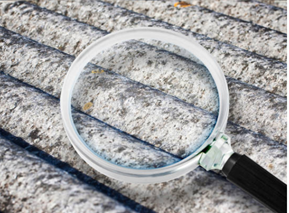 Asbestos inspection is the process of identifying, assessing, and managing materials that may contain asbestos in a building or structure. The goal of an asbestos inspection is to locate any ACMs, determine their condition, and assess the risk of exposure. If asbestos is present, the inspector will recommend steps to manage or remove the material safely. The inspection is typically conducted by licensed asbestos assessors or professionals trained in identifying asbestos-containing materials and evaluating the risks they pose.
Why Is Asbestos Inspection Crucial in Adelaide, SA?
Adelaide, like many parts of Australia, has a significant number of older homes, commercial buildings, and industrial properties. These structures are more likely to contain asbestos due to the widespread use of the material in construction until the late 1980s. Even if a building was constructed after this time, asbestos could still be present in some building materials used in renovations or repairs.
Here are a few reasons why asbestos inspection is essential in Adelaide:
- Health and Safety: Asbestos exposure is a serious health risk. Inhalation of asbestos fibres can cause fatal diseases, even with minimal exposure. An asbestos inspection ensures that any hidden asbestos is identified, reducing the risk of exposure to inhabitants, workers, and visitors.
- Legal Compliance: In South Australia, strict regulations govern the use and management of asbestos. Building owners and managers are legally required to signifcantly ensure that any asbestos present is properly managed. It includes conducting regular inspections and maintaining an asbestos register. Failure to fully comply with these regulations can lead to significant fines and legal consequences.
- Property Value and Marketability: Asbestos in a property can negatively impact its marketability. Potential buyers are often wary of asbestos-containing materials due to the serious health risks and the potential costs of removal. By conducting an asbestos inspection and addressing any issues proactively, property owners can increase the value and appeal of their property.
The Asbestos Inspection Process
An asbestos inspection typically involves several steps to ensure a thorough and accurate assessment:
- Initial Consultation: Before the inspection, the asbestos professional will discuss the property with the owner or manager to understand any potential concerns or previous renovations. This information helps guide the inspection process.
- Visual Inspection: The inspector will thoroughly conduct a visual inspection of the property, greatly focusing on areas where asbestos-containing materials were commonly used, such as walls, ceilings, flooring, insulation, pipes, and roofing. They will also inspect areas that may have been renovated or altered over the years.
- Sampling and Testing: If the inspector suspects that a material contains asbestos, they will collect samples to send to a laboratory for analysis. The laboratory will confirm whether asbestos is significantly present and determine the type of asbestos (if any) in the material. In some cases, the inspector may use specialised tools such as microscopes or air testing equipment to assess asbestos levels.
- Report and Recommendations: After the inspection and testing, the inspector will provide a detailed report outlining their findings. The report will include information on the location of any asbestos-containing materials, their condition, and whether they pose a risk to health. Based on these findings, the inspector will significantly recommend appropriate actions, which may include removal, encapsulation, or ongoing monitoring of the materials.
Conclusion:
Asbestos inspection in Adelaide, SA, is a crucial step in ensuring the safety, legal compliance, and long-term health of occupants in older buildings. Whether you are a homeowner, business owner, or property manager, conducting an asbestos inspection is the first step toward managing any risks associated with asbestos-containing materials.