When embarking on a new project, the choice of steel supplies can significantly influence both the quality and outcome of your work. Whether you’re constructing a building, fabricating machinery, or working on a specialised engineering task, understanding the key factors in sourcing steel supplies is crucial. This article delves into the essential considerations you should make to ensure you select the best steel supplies for your needs.
Understanding Steel Grades and Specifications
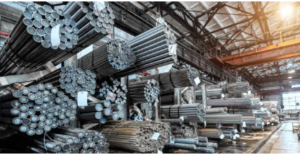 Steel is not a one-size-fits-all material. It comes in various grades, each with unique properties suited for different applications. The grade of steel affects its strength, durability, and resistance to environmental factors. Common steel grades include:
- Mild Steel (Grade S235, S275, S355): Suitable for general construction and fabrication.
- High-Strength Low-Alloy Steel (HSLA): Offers improved strength and resistance to wear.
- Stainless Steel (Grade 304, 316): Provides excellent corrosion resistance and is ideal for harsh environments.
When sourcing steel supplies, ensure you select the grade that meets your project’s specific requirements. Review the technical specifications and standards that your project demands to avoid any mismatch that could compromise the project’s integrity.
Supplier Reputation and Reliability
The reputation and reliability of your steel supplier play a crucial role in ensuring the quality and timeliness of your steel supplies. Research potential suppliers and look for the following indicators:
- Industry Experience: Suppliers with extensive experience in the steel industry are more likely to provide high-quality products and reliable service.
- Customer Reviews and Testimonials: Check for feedback from other clients to gauge the supplier’s reputation.
- Certifications: Verify if the supplier holds relevant certifications, such as ISO 9001, which indicates adherence to quality management standards.
A reputable supplier not only delivers quality steel but also provides excellent customer service, timely delivery, and support throughout your project.
Quality Assurance and Compliance
Quality assurance is paramount when sourcing steel supplies. Steel must meet specific standards and regulations to ensure it performs as expected in its intended application. Key considerations include:
- Compliance with Standards: Ensure the steel supplies meet national and international standards such as ASTM, EN, or ISO. These standards define the material properties, testing methods, and manufacturing processes.
- Testing and Certification: Request test certificates and reports that verify the steel’s composition, mechanical properties, and compliance with the required standards.
- Inspection Procedures: Understand the supplier’s quality control procedures and inspection practices to ensure the steel meets your project’s specifications.
By prioritising quality assurance and compliance, you reduce the risk of material failure and ensure the longevity and safety of your project.
Cost Considerations and Budgeting
While cost is an important factor, it should not be the sole determinant when sourcing steel supplies. A lower price may be tempting, but it can sometimes come at the expense of quality. Consider the following when evaluating cost:
- Total Cost of Ownership: Factor in the overall cost, including delivery charges, handling, and any additional services provided by the supplier.
- Volume Discounts: If your project requires a large quantity of steel, inquire about bulk discounts or negotiated pricing.
- Long-Term Value: Invest in quality steel that may have a higher upfront cost but will offer better performance and longevity, ultimately saving costs in repairs and replacements.
Delivery and Lead Times
Delivery timeliness is crucial to keeping your project on schedule. Delays in receiving steel supplies can impact project timelines and increase costs. Consider the following aspects:
- Lead Time: Ask about the supplier’s lead times and ensure they completely align with your project schedule. Longer lead times may require planning and ordering.
- Delivery Options: Check if the supplier offers flexible delivery options, such as just-in-time delivery or scheduled shipments, to accommodate your project’s needs.
- Logistics and Transportation: Evaluate the supplier’s logistics capabilities and their ability to handle large or specialised orders.
Reliable delivery ensures that your project proceeds smoothly without unnecessary interruptions or delays.
Conclusion
Sourcing steel supplies involves careful consideration of various factors to ensure that the material meets your project’s requirements. By understanding steel grades, evaluating supplier reputation, ensuring quality assurance, managing costs, and considering delivery and support services, you can significantly make informed decisions that contribute to the success of your project. Additionally, incorporating sustainability considerations aligns with modern practices and supports environmental stewardship. With these factors in mind, you’ll be well-equipped to select the best steel supplies for your next endeavour.