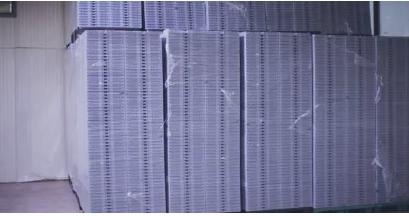
In Australia’s expansive logistics landscape—where temperature-sensitive goods must often travel across thousands of kilometres—maintaining product integrity during transit is both a challenge and a priority. It is where pallet freezer spacers for transportation come into play. These essential tools are designed to enhance airflow, maintain temperature consistency, and optimise overall cold chain efficiency, ensuring that perishable goods arrive at their destinations in optimal condition. From seafood exports in Western Australia to frozen meat shipments from Queensland, freezer spacers are redefining how Australian companies maintain quality in transit.
The Role of Pallet Freezer Spacers in Cold Chain Management
Pallet freezer spacers are specially designed plastic grids or ventilated sheets placed between layers of products stacked on pallets. Their primary function is to enhance airflow during freezing, storage, and transport. In Australia, where the climate can be unpredictable and transport routes often span great distances—from rural farms to urban supermarkets—consistent air circulation is critical to prevent spoilage or uneven freezing.
By allowing cold air to move freely between stacked products, pallet spacers help maintain uniform temperatures throughout the load. It is especially valuable in refrigerated trucks and cold storage facilities, where airflow can be uneven without proper spacing. Whether transporting dairy, meat, or pharmaceuticals, these spacers ensure each item remains within the required temperature range.
Why Airflow Matters in Australian Freight Operations
Australia’s geography presents unique challenges for cold chain logistics. The country’s vast size and diverse climates mean that goods can move from sub-zero temperatures in Tasmania to scorching conditions in the Northern Territory within a single journey. In such environments, maintaining consistent airflow is crucial for keeping temperatures stable.
Using pallet freezer spacers for transportation enables better thermal balance throughout the cargo. Cold air can penetrate each layer evenly, reducing the risk of “hot spots” where items thaw or refreeze—issues that can compromise both quality and safety. It is particularly vital for exporters of high-value Australian seafood, beef, and dairy products, where even minor temperature fluctuations can result in significant financial losses.
Sustainability and Reusability: A Smart Choice for Australian Businesses
Sustainability is increasingly influencing supply chain decisions across Australia. Fortunately, most pallet freezer spacers are made from durable, recyclable materials such as high-density polyethylene (HDPE). These can be cleaned, reused, and eventually recycled, aligning with the environmental goals of many Australian logistics providers and exporters.
Reusable spacers help companies minimise waste and reduce costs over time. In industries such as meat processing and seafood export, where strict hygiene and temperature-control standards are mandatory, these spacers not only enhance performance but also support environmentally responsible operations. By integrating them into their logistics systems, Australian companies can simultaneously meet sustainability targets and improve operational efficiency.
Benefits Beyond Temperature Control
While temperature regulation is the primary advantage, pallet freezer spacers for transportation offer several secondary benefits that enhance the entire logistics process:
These combined benefits demonstrate why more Australian transport and logistics companies are investing in pallet freezer spacers as part of their cold chain infrastructure.
Meeting Australian Export Standards with Reliable Cold Chain Solutions
Australia is a significant global exporter of temperature-sensitive goods, including beef, lamb, seafood, and dairy products. Meeting export standards requires strict adherence to international cold chain protocols. The Department of Agriculture, Fisheries and Forestry (DAFF) mandates precise temperature control throughout the logistics process—from processing to shipping.
By using pallet freezer spacers for transportation, exporters can ensure that products remain compliant with these standards. The spacers contribute to faster freezing and more stable storage conditions, reducing risks associated with temperature deviations during inspections or border checks. It not only maintains the reputation of Australian products abroad but also minimises costly shipment rejections.
Choosing the Right Pallet Freezer Spacers for Your Operation
Selecting the right type of pallet freezer spacers depends on the specific requirements of your logistics process. Key considerations include:
Material Strength: For heavy loads, such as frozen meats, durable HDPE spacers provide excellent support.
Ventilation Design: The grid pattern and thickness affect airflow efficiency—choose designs that suit your cooling or freezing setup.
Ease of Cleaning: In industries with strict hygiene standards, spacers that are easy to sanitise between uses are essential.
Compatibility: Ensure that the spacers fit seamlessly with your existing pallet sizes and cold storage systems.
Partnering with an experienced Australian supplier who understands local logistics conditions can help ensure optimal spacer selection and implementation.
The Future of Cold Chain Efficiency in Australia
As the demand for fresh and frozen goods continues to grow domestically and internationally, Australian logistics operators are under increasing pressure to deliver efficiency, safety, and sustainability. Pallet freezer spacers for transportation represent a small but powerful innovation that addresses all three objectives simultaneously.
By improving airflow, maintaining consistent temperatures, and supporting environmental goals, these spacers are becoming an indispensable part of Australia’s modern cold chain infrastructure. As technology advances, the integration of smart materials and data tracking may further enhance their performance, ensuring that Australia remains a global leader in cold chain excellence.
Conclusion
From the icy warehouses of Melbourne to the shipping ports of Fremantle, pallet freezer spacers are quietly revolutionising the way Australian businesses handle temperature-sensitive goods. Their role in improving airflow, reducing costs, and supporting sustainability makes them a critical investment for any company serious about cold chain reliability. In a country defined by its distance and diverse climate, these simple yet effective tools are key to keeping Australia’s perishable exports fresh, safe, and globally competitive.