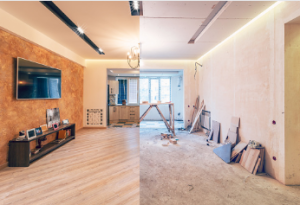
Home renovations can make your home more functional or improve its value. However, if you are considering a renovation, there are many factors to consider, including cost and weight.
 Cost vs value
When determining how much home renovation Adelaide projects cost, weighing the costs against the value is crucial. For instance, a garage door replacement may be a good idea to add curb appeal, but it isn’t always worth the price.
Several factors contribute to the average cost of remodelling. One such factor is the supply chain. Many homeowners are faced with several challenges when it comes to estimating the actual cost of a project.
A good resource for evaluating the actual cost of a home improvement project is the Cost vs. Value report from Remodeling Magazine. The report compares the estimated prices of significant remodelling projects in different markets. It considers housing starts, existing home values, and the local economy.
In addition to comparing the cost of joint remodelling projects, the report also assesses the resale value of such tasks. This process is based on surveys of real estate professionals.
While the report’s averages are derived from data across 150 markets, regional differences remain. To help homeowners determine the return on their remodelling investment, the information includes a tool to compare the ROIs for specific area codes.
According to the report, remodelling a garage door’s cost tops the national average. Additionally, minor kitchen remodels rank third.
Other noteworthy findings are that the most profitable home improvements remain exterior upgrades. Meanwhile, fibreglass grand entrances experience the most significant drop in ROI.
Although the cost of many remodelling projects is increasing, the market remains strong. Homeowner improvement spending could reach $430 billion by 2022. That’s an average of 9.2% per year.
DIY vs professional
Whether planning a DIY home renovation project or hiring a contractor, you’ll want to consider a few factors. First, you’ll want to decide what project you plan. For instance, if you are starting, you might be able to save money by doing the work yourself. On the other hand, if you are experienced, a professional may be able to provide better quality results.
If you are considering a DIY home renovation project, you’ll want to ensure you have the necessary tools and know how to do the job. However, you’ll also want to think about the time it will take to complete the work. Depending on your experience level, you can estimate how long it will take to complete the job.
You may want to do the work yourself if you have a skill such as carpentry, painting or plumbing. But if you want to do a more complicated job, you may be better off hiring a professional.
A contractor can help you navigate complex issues and ensure the work is up to code. They can also provide guidance and insurance. It can provide peace of mind.
You’ll need to determine whether or not your project will require permits. Many localities require permits for significant home improvement projects. Depending on the work, you’ll need to get tickets for electrical and plumbing. These costs can add up, and you’ll want to ensure you can afford them.
Home improvement isn’t easy. Even a minor repair can have a significant impact on your home. However, the last thing you need is a snafu that will derail your project. With some planning, you can ensure you’ll have the best outcome.
Inside-out approach
If you’re planning a home renovation Adelaide project or two shortly, don’t just go with the old standby. Instead, let a professional remodeler show you the right way to go. They will save you a bundle and tell you which home improvement project to pursue first. The pros know their stuff and can guide you from A to Z. Using an expert is the best way to ensure your home is in tip-top shape. Having a renovation contractor on speed dial is like having a personal concierge at your beck and call.
Larger, more complex projects can result in higher fees, especially when they include architectural designs and third-party services. Some design-build companies offer a soup-to-nuts fee that includes everything from architectural plans to construction and materials.
Some designers charge per hour or a fixed rate for their services. These pay structures allow them to cover travel and site visits.
Designers can also charge a commission for the products they purchase for their clients, such as furniture and wall paint. Firms may choose to mark items up 10% to 30% above retail to account for the extra time and work it takes to procure them.