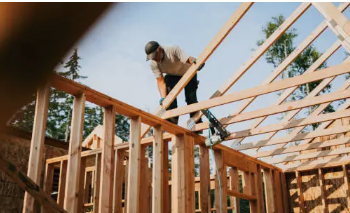
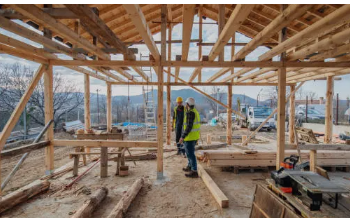
The concept of commercial property development South Australia involves the purchase, building and management of real estate that generates profits from renting space to businesses. It can involve building an office tower from the ground up or rehabilitating and repurposing an existing property.
The goal is to produce a unique structure offering something new to the market. A rehabilitated or restored property is easier to achieve than a ground-up commercial development.
Zoning
 Zoning laws and regulations govern what types of commercial property development are allowed on a specific piece of land. Municipalities usually divide their jurisdiction into zones to regulate traffic flow, noise levels and the appearance of buildings through restrictions on architectural styles, roof colours, parking requirements and setbacks. They may also restrict what types of businesses can operate in a particular area or require a certain percentage of the land to be reserved for residential use.
Aside from regulating the type of commercial development permitted, zoning laws can limit how many families are allowed to live in a residential zone, whether or not animals can be kept on the property, and what kind of construction projects can be done. Some governments use industrial zoning to regulate companies based on environmental concerns like noise pollution.
Depending on the regulations in place, commercial real estate developers must obtain approval from a city council or planning commission before starting a project. They must present a plan outlining the intended development and show that it meets zoning guidelines. If a developer is denied permission, they can appeal to the higher authority. Some governments even create a Board of Zoning Appeals (BZA) office to hear requests for variances or waivers. The BZA will decide if the application is worthy of being granted or denied and explain why the decision was made.
Site Selection
The site selection process is a critical component of commercial property development South Australia, whether for retail stores, office space, warehouses or any other kind of business location. It involves choosing a plot of land or an existing structure ideal for your business’s primary demographic and the type of product you sell and then ensuring that it meets all the city’s requirements (setbacks, parking, etc.).
A good site selection process will be able to identify potential hurdles quickly and efficiently. It will look at the proximity to economic generators, as-of-right zoning and project budget to determine if a property can work for you. It will also include a site plan, an invaluable tool for visually addressing how a site would work with your planned project.
It will also consider other issues like how easy it is to get power and water, the cost of road construction and maintenance and more. Many variables will be considered, so you’ll want to have the right team on hand to ensure that the property you choose is a good fit for your needs. You’ll also need to determine which locations are most likely to yield the best returns on your investment. That’s why working with local CRE professionals is a great option.
Building Design
Building design and construction plans are essential components of commercial property development. They are developed at the architectural phase and can include the size and functions of rooms, required materials, equipment and associated costs, as well as a construction timeline. It is essential to engage a reputable company with experience in commercial building at this stage to facilitate a smooth process that is streamlined and stays within budget.
Understanding the market and the potential for a successful commercial property development South Australia project is also important. It can be achieved by conducting thorough market analysis and forecasting employment figures for the area. In addition, it is important to consider the location of the proposed development and the effect it might have on residents or businesses. Four main categories of commercial buildings are defined by their function: office, industrial, retail and multifamily. Depending on aesthetics, age, infrastructure quality and location, these can be further classified into Class-A, Class-B and Class-C buildings.
A small commercial development can involve renovating an existing residential property into a business, such as a hotel or a restaurant. A large retail development can include creating a new building from the ground up, such as an apartment complex or an office tower. Private equity firms, investment banks or pension funds often finance these projects.