Paediatric dentists specialise in treating children’s dental health concerns and advise that children visit a dentist for the first time by their first birthday.
Paediatric dentistry requires both patience and skill. When working with nervous children in the dental chair, childrens dentist Seaton can present unique challenges.
Dental Hygiene
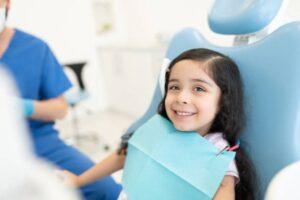 An effective dental hygiene routine for kids is key to their oral health and should include brushing and flossing twice daily and visiting the dentist regularly for dental X-rays, exams and cleanings. Good oral hygiene can reduce or avoid the need for fillings, crowns, bridges, implants or dentures while decreasing risks related to heart disease, diabetes or other serious health conditions.
Dental X-rays are essential for detecting hard-to-see cavities and impacted teeth and can even detect gum disease or bone loss. Radiation from dental X-rays is minimal, making them safe for children and adults.
Dental hygienists require at least a high school diploma or equivalent, with many going on to earn bachelor’s or master’s degrees in this field. Furthermore, they must graduate from an accredited dental hygiene program before sitting for state and national licensing exams, including Basic Life Support certification (commonly referred to as CPR).
Routine Checkups
Dental checkups are an essential element of preventive oral healthcare. Going in for regular checkups every six months allows children and parents to learn good dental hygiene practices. At the same time, any existing issues can be detected early and treated before becoming more serious.
Studies have demonstrated that children who attend regular dental appointments are less likely to experience ongoing dental issues. According to the American Academy of Paediatric Dentists, children should visit a dentist within six months after the eruption of their first tooth or by their first birthday for their initial dental exam. Otherwise, they may miss eligibility for the Commonwealth Child Dental Benefits Schedule (CDBS).
At a childrens dentist Seaton checkup, an oral health professional will perform various routine services, such as an oral cancer screening, digital X-rays and teeth cleaning. A dental exam may also help detect cavities in baby teeth, which could potentially lead to childhood periodontal disease without treatment. Regular checkups also allow dentists to educate patients and suggest positive changes to their oral or nutritional hygiene habits.
Parents can help prepare their kids for dental visits by reading story books and playing “dental” with them. In order to make the experience more pleasant, let your children see you receive dental checkups themselves and reward positive behaviours such as trips to the park or treats with rewards such as trips.
Toys and Games
Toys that promote healthy oral hygiene habits while making the childrens dentist Seaton office feel like an enjoyable place are critical components of child-friendly dental offices. Not only can these toys distract children during a procedure, but they may also remind them that coming in was fun! As they recall that experience more fondly later and may return more willingly.
Featuring over-sized pretend teeth that can be marked using dry-erase markers, realistic instruments such as a pick, mirror, floss, and brush, as well as a detachable chair lamp and detachable stool lamp – not forgetting mask, reusable ID tag on a lanyard and double-sided activity card, this dental themed play set makes the perfect addition to your waiting room!
Tooth-themed magic slate board pads make an excellent addition to your waiting room, providing wait-time mini-patients with something fun while they wait, at the end of an appointment grab box, or for sending home. Not only are these great toys, but they’re easy to clean in case any sticky fingers make an appearance in your waiting room!
Sedation
Sedation can be an integral component of many children’s dental treatments. It helps soothe their anxiety, ensures they can remain still and cooperate during treatment, and makes more complex procedures possible in fewer visits. Furthermore, it may foster positive associations with dental care that could eventually lead to better oral hygiene habits in their lifetimes.
Before administering any form of sedation to your child, a comprehensive evaluation is undertaken of their medical history and dental condition. This allows us to select an appropriate level of sedation for them that will both safe and effective.