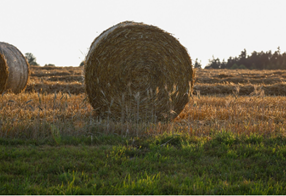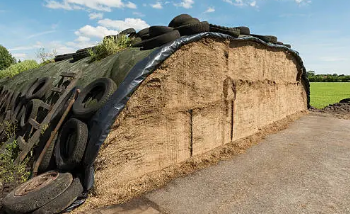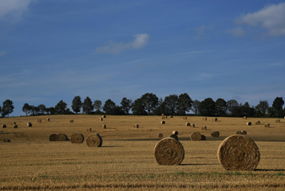
Storing fodder outdoors for 12 to 24 months exposes every part of a bale stack to changing weather conditions. In inland Australia, intense sunlight can be particularly hard on polypropylene twine. Choosing UV-resistant baler twine helps reduce the risk of fibre degradation, loss of knot strength and eventual bale failure during long-term storage.
For producers and contractors in areas such as the Darling Downs and Orana, the issue is not simply whether twine can survive baling day. The important question is whether it will retain enough strength to keep bales secure after months of exposure to sunlight, heat and dry conditions.
How UV Degrades Polypropylene Baler Twine
Polypropylene is widely used for synthetic baler twine because it combines low weight with useful tensile strength and moisture resistance. However, prolonged exposure to ultraviolet radiation can trigger photo-oxidation within the polymer.
UV energy can break chemical bonds in the polypropylene structure. Oxygen then promotes oxidation, gradually altering the polymer’s properties. Over time, this can make exposed fibres more brittle and reduce their ability to withstand tension.
The process does not necessarily cause an immediate failure. Twine may appear intact while its mechanical properties decline. This is why outdoor storage requires more consideration than simply checking whether the twine still appears undamaged.
Why Inland Australian Conditions Matter
Areas such as Queensland’s Darling Downs and central-western NSW’s Orana region can present demanding conditions for outdoor fodder storage. Strong sunlight, high daytime temperatures and extended periods without significant rainfall can leave exposed bale surfaces under sustained environmental stress.
The rate of degradation varies with several factors, including:
● UV exposure and seasonal sunlight intensity
● Length of time bales remain outdoors
● Twine formulation and UV stabilisation
● Bale orientation and exposure
● Local weather conditions
● Whether the stack has additional protection
No single UV-degraded baler twine inland lifespan applies to every farm. Two stacks stored for the same period can degrade differently depending on exposure and storage practices.
What UV Stabilisation Actually Does
UV-resistant baler twine is manufactured with stabilising additives designed to slow the effects of ultraviolet radiation. These additives do not make polypropylene immune to sunlight. Instead, they extend the period during which the twine retains useful physical properties.
For long-term outdoor storage, this distinction matters. A twine designed for short-term handling may perform adequately during baling, transport and initial storage. Still, it may not be appropriate when bales are expected to remain exposed for a year or longer.
Inspect Twine Before Problems Become Obvious
Regular inspection can help identify deterioration before it contributes to stack instability. Look for changes such as surface cracking, brittleness, unusual discolouration or fibres that break more easily when handled.
Pay particular attention to the outside layers of a stack, where exposure is greatest. Twine sheltered inside the stack may experience substantially different conditions from twine directly exposed to sunlight.
Improving Long-Term Bale Stack Stability
Selecting appropriate twine is only one part of protecting fodder. Good stack management can reduce unnecessary environmental exposure and help preserve bale integrity.
Consider:
● Choosing twine specified for extended outdoor exposure
● Building stable, well-supported stacks
● Minimising unnecessary exposure where practical
● Inspecting exposed bales periodically
● Following the twine manufacturer’s storage recommendations
● Reassessing older stacks before moving or transporting them
The goal is to maintain sufficient twine strength throughout the intended storage period, not just to achieve reliable knotting during baling.
Conclusion
Long-term outdoor fodder storage puts polypropylene twine through prolonged UV and environmental exposure. UV-resistant baler twine can help slow photo-oxidative degradation, but its performance still depends on formulation, exposure conditions and storage practices.
For Australian producers storing hay or other fodder for 12–24 months, selecting twine suited to the expected conditions is key to maintaining bale stability. Before your next long-term storage run, check the manufacturer’s UV specifications and choose a product suited to the exposure your bales will actually face.
—
Frequently Asked Questions
1. Why does UV radiation damage polypropylene baler twine?
UV radiation can initiate photo-oxidation in polypropylene, gradually affecting the polymer structure and reducing properties such as strength and flexibility.
2. How long can baler twine remain outdoors?
There is no universal service life. Performance depends on the twine’s UV stabilisation, exposure, climate, storage conditions and intended application.
3. What is UV-degraded baler twine inland?
It refers to polypropylene twine that has experienced deterioration after prolonged exposure to strong sunlight and environmental conditions in inland regions.
4. Is UV-resistant baler twine completely protected from sunlight?
No. UV-resistant formulations are designed to slow degradation, not eliminate it. Extended exposure can eventually affect even stabilised polypropylene.
5. How can Australian farmers improve bale stack stability?
Use twine suitable for the intended storage period, construct stable stacks, limit unnecessary exposure where possible and inspect exposed bales for signs of deterioration.