As more homeowners in Adelaide turn to renewable energy, solar power systems are continuously becoming increasingly popular due to their ability to deliver clean, affordable energy. However, a solar panel system alone may not provide consistent power, particularly at night or on cloudy days. That is where solar batteries come in. Solar batteries store the significant excess energy generated by your solar panels, enabling you to use them when the sun isn’t shining. Selecting the right size solar battery is crucial to ensuring your home’s energy needs are met. This guide will help you navigate the process of choosing the ideal solar battery size for your home.
Understanding Solar Batteries
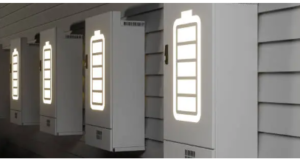 Before exploring how to choose the right solar battery, it’s essential to understand its function. Solar batteries significantly store surplus energy generated by your solar panels during the day. Rather than sending this energy back to the grid, you can keep it for later use, such as at night or on cloudy days. This stored energy provides a steady and reliable power source.
Solar batteries are generally measured in kilowatt-hours (kWh), which indicates their storage capacity. The higher the kWh rating, the more energy the battery can store, allowing it to power your home for a longer duration when sunlight is unavailable.
Step 1: Assess Your Daily Energy Consumption
The first step in choosing the right solar battery size is to evaluate how much energy your household uses each day. You can find this information on your electricity bill, where energy consumption is typically measured in kilowatt-hours (kWh). For example, if your bill shows that your home uses 900 kWh per month, that translates to about 30 kWh per day (900 ÷ 30).
Step 2: Consider the Solar Panel Output
Next, take a look at the size and output of your solar panel system. The amount of energy your solar panels generate will directly influence the overall size of the solar battery you need. A larger solar array will produce more excess energy, which can be signfiicantly stored in a battery. Smaller systems may not generate as much excess energy and will, therefore, require smaller batteries.
Step 3: Determine Your Backup Power Requirements
One of the notable benefits of solar batteries is the ability to provide backup power in the event of a grid outage. If this is important to you, consider how much backup power you’ll need during an outage. The more critical systems you want to keep running—such as your refrigerator, lights, and HVAC system—the larger your battery will need to be.
Step 4: Evaluate Depth of Discharge (DoD)
The Depth of Discharge (DoD) is another important factor to always consider when choosing a solar battery. It refers to how much of the battery’s total capacity can be significantly used before it needs to be recharged. A higher DoD means that you can use more of the battery’s capacity, which is especially useful if you want to store more energy for later use.
Step 5: Plan for Future Energy Needs
As you choose the right solar battery size, think about your future energy needs. If you plan to add more appliances, upgrade your HVAC system, or expand your solar panel system, you may need a larger battery to accommodate the additional energy usage.
It’s a good idea to account for these potential changes by selecting a battery with some extra capacity. This way, your battery can meet your current needs while still being able to handle future energy demands.
Conclusion
Choosing the right solar battery size is an essential step in maximising the benefits of your solar power system. By considering your daily energy consumption, the output of your solar panels, backup power requirements, depth of discharge, and future energy needs, you can select solar batteries that meet your energy goals. A properly sized battery will help you make the most of your solar energy, whether you’re looking to reduce your reliance on the grid, store excess energy, or ensure backup power during outages. With careful consideration and planning, you can significantly enjoy the full benefits of solar energy in your home.