Hip dysplasia is a common condition affecting many dogs, particularly larger breeds. This genetic disorder leads to improper formation of the hip joint, causing pain, reduced mobility, and, ultimately, arthritis. Fortunately, there are several effective therapy options available in Portland, OR, to help dogs manage this condition. For more information about the therapy for dogs with hip dysplasia cost, click here.
Understanding Hip Dysplasia in Dogs
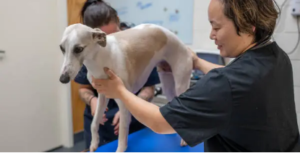 Before exploring therapy options, it’s crucial to understand hip dysplasia and how it affects your furry friend. This condition is characterised by a malformation of the hip joint, where the ball and socket do not fit together properly. As a result, the joint may become loose, leading to pain and inflammation. Symptoms of hip dysplasia significantly include difficulty rising, reluctance to engage in physical activity, limping, and a decreased range of motion.
The Importance of Early Intervention
Early diagnosis and intervention are vital when dealing with hip dysplasia. If you suspect your dog is suffering from this condition, it’s essential to consult with a veterinarian as soon as possible. A veterinarian can professionally perform a physical examination and recommend imaging tests to confirm the diagnosis. Once diagnosed, a tailored therapy plan can be developed to improve your dog’s quality of life.
Popular Therapy Options for Dogs with Hip Dysplasia in Portland
Physical Therapy
Physical therapy is undeniably one of the most effective therapies for dogs with hip dysplasia. A certified canine physical therapist can design a personalised exercise program to fully strengthen the muscles around the hip joint, improve flexibility, and alleviate pain.
Common techniques used in physical therapy include:
- Therapeutic Exercises: Tailored exercises can help increase strength and range of motion.
- Hydrotherapy: Swimming or walking on an underwater treadmill can provide low-impact exercise that is gentle on the joints.
- Massage Therapy: This can reduce muscle tension and improve circulation, promoting healing.
Many veterinary clinics in Portland offer physical therapy services, and some even have specialised facilities equipped for hydrotherapy.
Acupuncture
Acupuncture is an effective alternative therapy that has gained popularity among pet owners in Portland. This ancient practice significantly involves inserting thin needles into specific points on the body to effectively relieve pain and promote healing. Research has successfully shown that acupuncture can effectively manage pain in dogs with hip dysplasia by improving circulation and reducing inflammation.
Chiropractic Care
Canine chiropractic care focuses on aligning the spine and joints to enhance overall mobility. A certified canine chiropractor can perform adjustments that may relieve pain associated with hip dysplasia and improve your dog’s range of motion. Many pet owners in Portland have reported positive outcomes from regular chiropractic sessions for their dogs.
Weight Management
Maintaining a healthy weight is remarkably crucial for dogs with hip dysplasia. Excess weight places extra strain on the hip joints, exacerbating pain and discomfort. A balanced diet and regular exercise are remarkably essential components of weight management. Portland offers a range of pet nutritionists and weight management programs to help owners create tailored plans for their dogs.
Medications and Supplements
Your veterinarian may prescribe pain relief medications or anti-inflammatories to help manage your dog’s symptoms. Additionally, joint supplements containing glucosamine, chondroitin, and omega-3 fatty acids can support joint health. It’s essential to discuss any supplements with your veterinarian prior to introducing them to your dog’s regimen.
Finding the Right Therapy Provider in Portland
When looking for therapy for dogs with hip dysplasia, it’s essential to choose a qualified professional. Start by asking your veterinarian for recommendations. Portland boasts several reputable veterinary clinics and rehabilitation centres that specialise in canine physical therapy, acupuncture, and chiropractic care.
Additionally, consider checking reviews and testimonials from other pet owners. Many clinics offer initial consultations, allowing you to discuss your dog’s specific needs and get a feel for the facility.
Conclusion:
Therapy for dogs with hip dysplasia can significantly improve your pet’s quality of life. In Portland, Oregon, a wealth of resources and specialists are available to help manage this condition effectively.
From physical therapy and acupuncture to weight management and medication, there are numerous options to explore. Early intervention and a comprehensive approach to treatment can help your furry friend lead a happier, more active life despite hip dysplasia.